

I grew up in the sheltered environment of a Bible seminary campus. One day, the bubble burst and I was thrown into the ‘real world’.
My father was Rev. Dr. Brian Wintle, a loving father, grandfather, and brother. He was also a pastor, theological lecturer, and a trusted friend and confidante to many. He was my best friend, and my whole world. Above all, he was a devoted follower of Jesus.
Growing up as a pastor’s daughter was a mix of emotions and experiences. My dad often traveled or was teaching, so he was hardly ever home. As an adult, he became my go-to person, but because he was so often away, we rarely had quality daddy-daughter time. The times we did share, however, were incredibly special. Moreover, spending my entire childhood growing up on a seminary campus felt like living in a completely separate world.
Moreover, spending my entire childhood growing up on a seminary campus felt like living in a completely separate world.
Childhoods in the 1980s now exist only in stories, memories, and photographs. People we considered ‘old’—adults we affectionately called ‘uncle’ and ‘aunty’—were actually in their 30s and 40s! Now, we realize that wasn’t really old at all. Gone are those days of readily using ‘uncle’ and ‘aunty’ as terms of respect for elders, of being home when the streetlights came on in the evenings, of freely playing outside, climbing trees, cycling around with friends, and playing games like hide-and-seek, seven tiles, stuck-in-the-mud, and cops and robbers. We even created our own little Narnias in our cupboards and went ‘camping’ under tables and chairs draped with bedsheets. Over the years, I’ve often reminisced about these moments, either while sharing childhood stories with my students or my niece and nephew, or simply lost in thought, transported back to my younger years.

I lived and grew up in Pune, Maharashtra, in western India, and for the most part, I thoroughly enjoyed my childhood. I still cherish so many fond memories of our adventures within a community of Christian ministries. As children, we experienced no insecurity, fear, stress, unhappiness, or pressure. Everyone we met on campus was a friend and could be trusted. We lived in our own protective bubble, with acres and acres at our disposal within the familiar grounds we called ‘home’. We were constantly surrounded by supportive adults we could turn to at any time.
I loved growing up on the campus and had many friends. We spent a lot of time playing together. On evenings with power cuts, we would light candles at home, and Dad would get his guitar. All my campus friends would come over, and we’d sing songs by candlelight until the power returned. For birthdays, we visited each other’s houses to cut cake, sing ‘Happy Birthday’, and play games with prizes. We had Bible club on Fridays, which was similar to Sunday school. During holidays, we often couldn’t afford to travel, so we spent our summers on campus. Many friends would stay until my birthday and then leave for their holidays. Those of us who didn’t travel spent our summer days together, cycling around the campus, playing in the admin block, and climbing trees. We would attend Vacation Bible School (VBS) together, and the best part was the van or jeep ride, which gave us a chance to get off campus. We planned picnics and outings together to the Snake Park and trips to Lonavala and Mahabaleshwar—ancient places that had been used as hill stations and summer capitals by the British. The days were happy and fun. But looking back now, I wonder how real all of it truly was.
One day, this happy bubble burst.
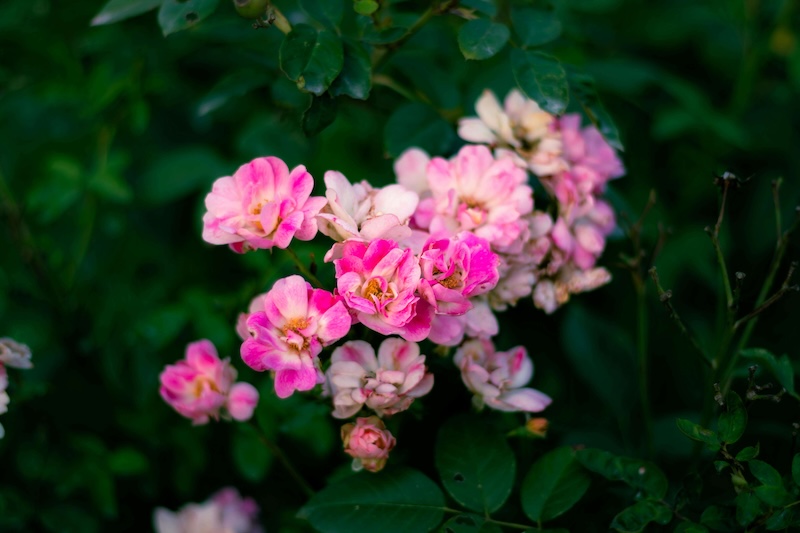
All I remember is a crowd of people—those same adults who I had usually turned to for help—holding up signs and sitting in front of our house, shouting. This went on for several days. I remember waking up one morning, opening the curtains, and finding one of their posters stuck to my window. As we were leaving to catch the bus to school down the hill, these same people I called ‘uncle’ and ‘aunty’ were still in front of our house, still shouting. My mother told me not to look at them but to look at the roses instead. I remember many late nights and early mornings when my parents were awake in the front room with some of our friends’ parents, crying and praying. All I felt was confusion. The lights kept me awake. My mind raced, and my ears strained to understand what was being said, but I could only hear faint crying. Why was my dad crying? I wanted to hug him, but I was sent back to bed.
This situation at home didn’t make school any easier. My mind was constantly occupied, confused, and uncertain about what was happening. Over time, I’ve tried to block out these memories, and I’ve largely succeeded, but the effects linger. It was probably out of a desire to ‘protect’ me that my parents did what they did. One day, my sister and I were packed up and sent to our grandma’s house to spend the summer with her. No explanation was given. When we returned ‘home’, we were in a different house. Everything familiar to me was gone—my books, my toys, my friends, my bicycle. It felt incredibly unfair, like I had been thrown into the deep end of a swimming pool and I had no idea how to swim. I felt an overwhelming sense of abandonment.
Fast forward to 2014; I had just returned from Dubai. I had been teaching there, but homesickness got the better of me, so I stayed for three years and then moved back to India. I secured a teaching job at a residential Christian school in Ooty. It felt like I had come full circle. I had lived on a seminary campus as a child, and now I would be living on one with a similar atmosphere as an adult.
When I joined the residential school, I think I was excited because I longed for those happy childhood days that had been abruptly taken away. Now I was the adult that the children could turn to—the roles had reversed. I imagined I would be able to relive and create new memories in the school as an adult. I enjoyed watching the residential students grow. The atmosphere at the school was remarkably similar to what it had been on the seminary campus. However, once again, the children were in a protective bubble, with no real taste of the outside world. When students and staff were preparing to leave the school, they had weekly sessions where they were ‘told’ and shown pictures of how to navigate life after school. For fun, we would call these sessions ‘disorientation’ instead of ‘orientation’.
… suddenly I was thrust into the ‘real world’, far from my comfortable and protective bubble.
When I left the seminary, I was a teenager, still a child, and suddenly I was thrust into the ‘real world’, far from my comfortable and protective bubble. Everything I had known as a child was snatched away in a matter of days, and I didn’t understand why. I felt forced to become and think like an adult overnight. I remember that navigating life was incredibly difficult, especially because I had to do it alone. I struggled to make friends and keep them. The music and conversations my classmates and colleagues enjoyed were beyond my comprehension. I had grown up on Psalty the Singing Songbook, Maranatha, Vineyard, and country/classical music. I didn’t participate in conversations because I didn’t know what to say or how to answer questions. My kind of music didn’t interest them. They talked about having boyfriends and relationships—things that had never even crossed my mind! Joining the Christian school, I anticipated a return to a place where I could effortlessly blend in and truly be myself. This proved to be true, and it was a positive experience. However, the challenges I had faced as an adult navigating the outside world seemed to be resurfacing. Having changed as a person, I was now stepping back into a familiar, sheltered environment. The experiences of my childhood had significantly impacted me, a fact that was now clear. For instance, I struggled with trust, often being overly trusting, which led to hurt and subsequent withdrawal. My low self-esteem further complicated these issues. I often reflect on whether growing up on the Christian campus, rather than in the broader world, was ultimately beneficial. As an adult, I recognize how it eventually created distance within my family relationships, and my past experiences have left me grappling with lingering confusion.